Tank or Tankless Water Heater Installation
A water heater replacement swaps your old tank for a new tank or a tankless unit, connected to the gas, electric, water and venting the building already has. A tank is a straight swap and is usually finished in a few hours, while a tankless conversion often needs new gas piping, venting and a drain.
Describe the job and add your city. Free to request, no obligation.
The right unit depends on how much hot water you need at the same time. A family that runs two showers and the dishwasher together needs a different size from a couple in a condo. Tanks lose a little heat as they store water, and tankless units heat on demand but need the right flow, fuel supply and venting.
Most tanks last around a decade, and a leak is the usual end. If your tank is at that age, is rusting or has a damp base, planning the replacement beats flooding the basement on a Sunday night.
What the work includes
- Sizing the new unit to the number of bathrooms and peak demand
- Draining, disconnecting and hauling away the old heater
- New water connections, shut-off valves and flexible lines
- Gas line, venting and combustion air work where the fuel requires it
- Expansion tank and a pressure relief valve with a discharge pipe
- A drain pan or leak sensor in locations where a leak would do damage
- Permit and inspection where required
- Startup, temperature setting and a walkthrough of the controls
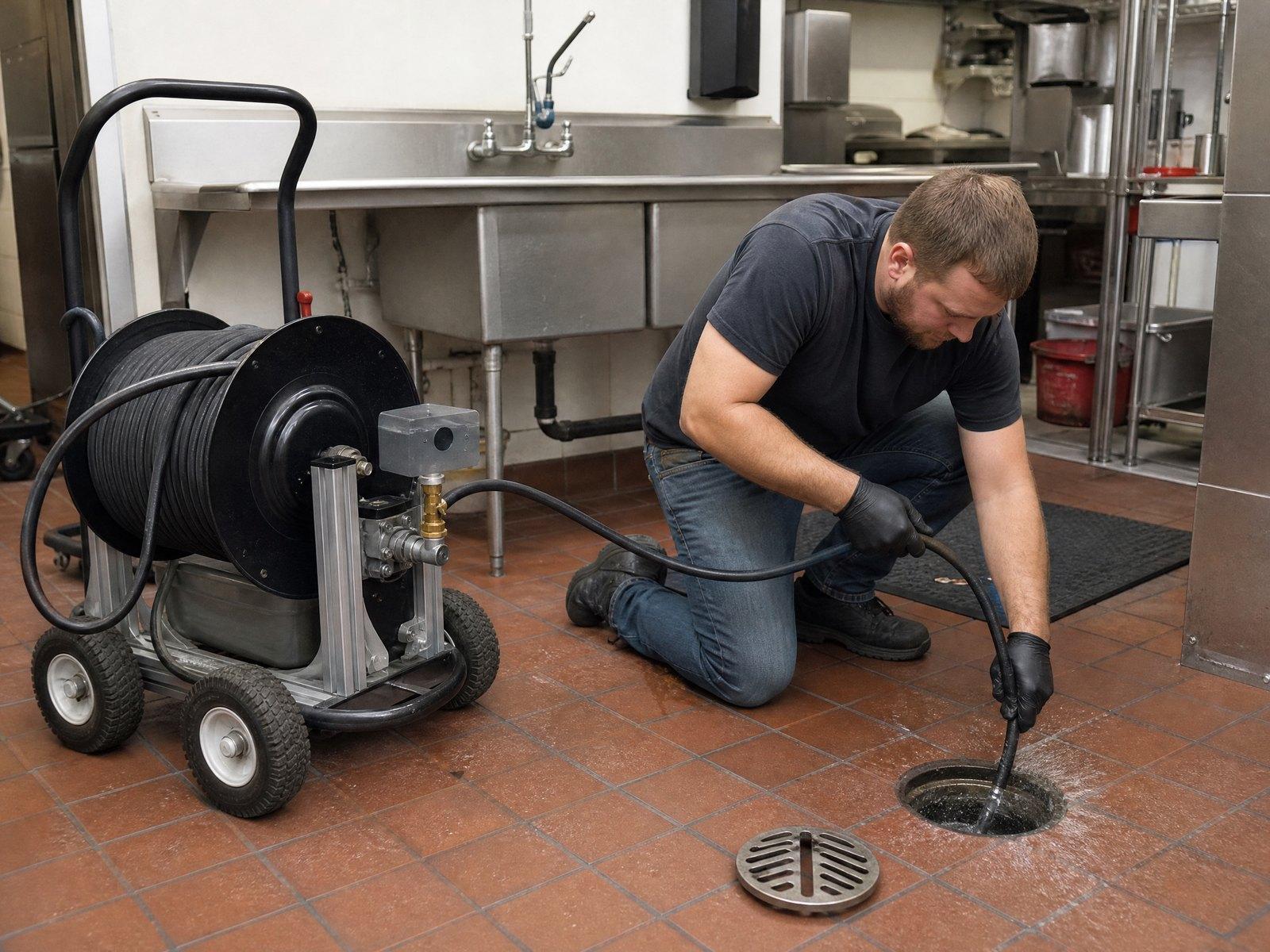
When it is time to replace the water heater
Rusty hot water or a metallic taste that does not appear in the cold taps
Water around the base of the tank, even a small amount
Rumbling or popping from the tank, which points to sediment build-up
Hot water that runs out faster than it used to
A tank older than about ten years with no records of service
A pilot light or burner that keeps going out
How the work goes, step by step
Check what you have
The plumber notes the fuel, tank size, venting, age and where the heater sits.
Work out demand
Fixtures, family size and when everyone showers help decide the capacity or flow rate.
Choose and quote
You see a like-for-like tank and the upgrade options, with the extra work each one needs.
Swap and connect
The old unit is drained and removed, the new one is set, and water, gas or electric and venting are connected.
Test and explain
The unit is fired up, checked for leaks and combustion, and you get a walkthrough of the settings.
What changes the price
- Tank or tankless
- Tankless equipment and installation cost more up front, though the unit generally lasts longer.
- Fuel type
- Gas, electric and heat pump models differ in equipment cost and in the utility work they need.
- Gas line and venting
- A tankless unit often needs a larger gas line and a new vent route, which is a large share of the cost.
- Capacity
- A bigger tank or a higher-flow tankless unit costs more and may need a larger electrical circuit.
- Location and access
- A tight closet, an attic or a basement far from the vent adds labour.
- Water quality
- Hard water may call for a softener or scale protection to keep a tankless heat exchanger working.
What a good quote spells out
- The unit size or flow rate, matched to your household
- Any gas line, vent or electrical work listed as its own line
- Whether expansion tank, valves and drain pan are included
- How the old heater is removed and disposed of
- Maintenance the unit needs, such as flushing a tankless heater
Water Heater & Tankless Installation: questions people ask
How long does a water heater last?
A conventional tank typically gives around ten years, and a tankless unit often runs longer with regular maintenance. Water quality and how well the tank was maintained affect both.
Is a tankless water heater worth it?
It saves the standby heat loss and takes up less room, and it never runs out of hot water at a steady draw. The trade-off is the larger upfront cost and the gas line or venting changes that may come with it.
Can a homeowner replace a gas water heater alone?
Gas, venting and pressure relief work are safety items, and many places require a permit. Having a plumber do it protects against leaks and carbon monoxide.
Why does a tankless heater need a bigger gas line?
A tankless unit burns a lot of gas in a short time to heat water on demand, so the pipe feeding it must carry more gas than the pipe feeding a tank.
Other Cundia services
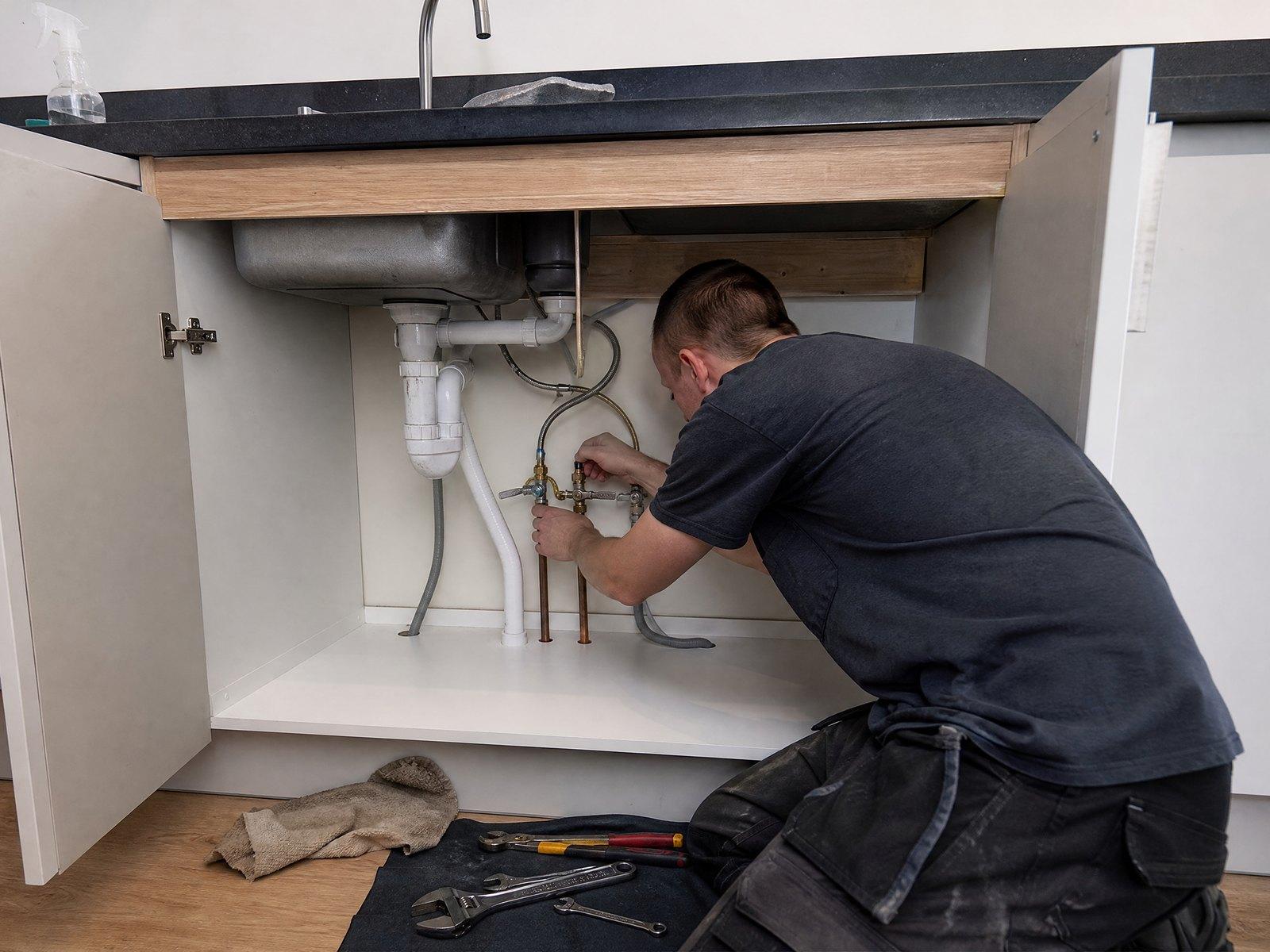
Planning a Big Plumbing Job? Get a Written Quote.
Tell us what is going on, where the property is, and anything you already know: the age of the pipes, past repairs, inspection videos. We review every request and reply with next steps.
Request a free quote →