Catch Basin Cleaning for Parking Lots and Multi-Unit Sites
Catch basin cleaning removes the sediment, gravel, leaves and trash that settle in the sump of each basin. Once a basin is full, water has nowhere to go during the next heavy rain, so it pools at the loading dock, the entrance or the low corner of the lot.
Describe the job and add your city. Free to request, no obligation.
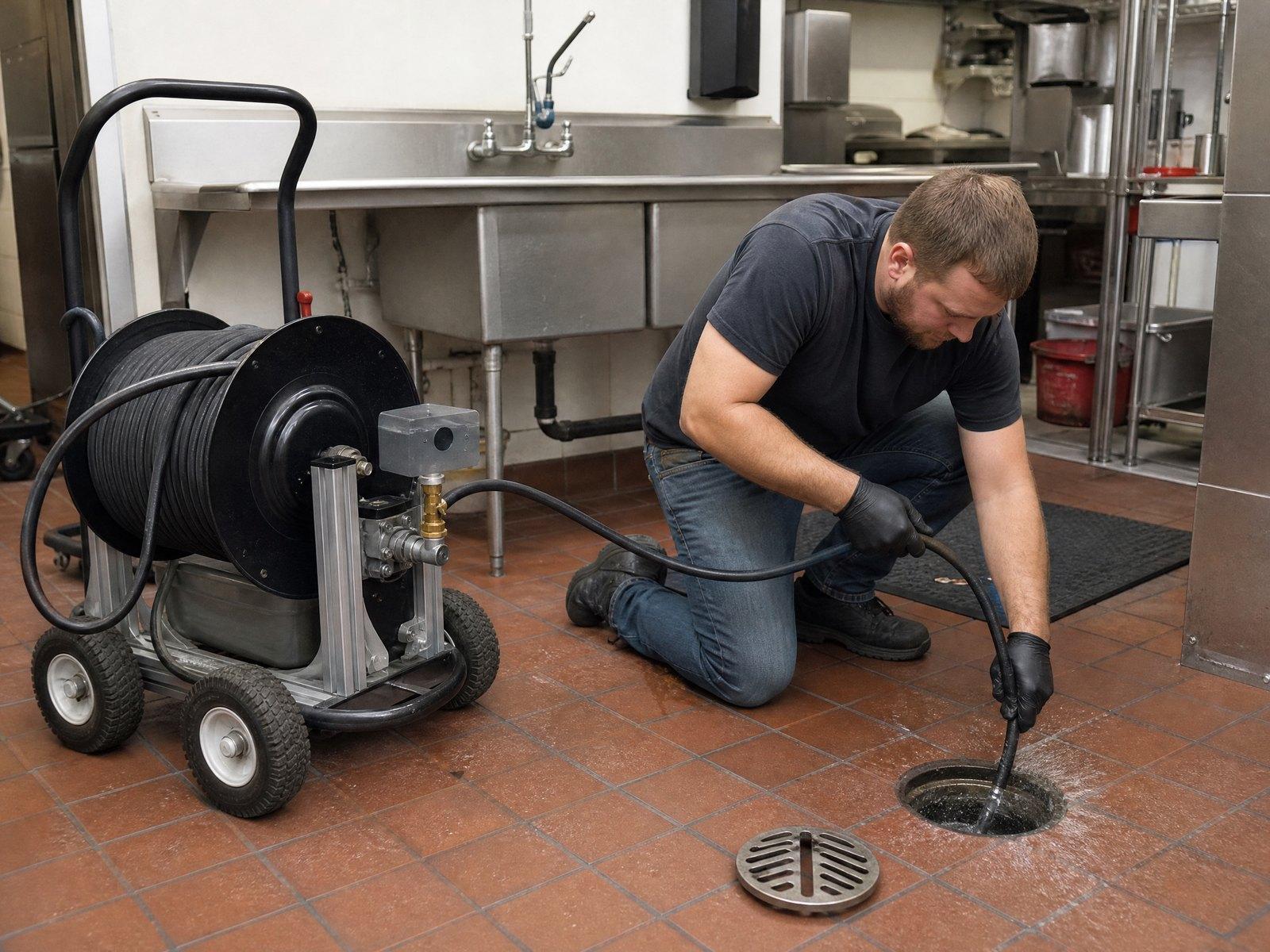
The work is done with a vacuum truck, often paired with a jetting hose to flush the storm line that runs from the basin to the municipal system. A camera can follow the jetting to show whether the pipe is cracked, offset or choked with roots, and a damaged basin or frame can be repaired or rebuilt.
Sites with a lot of paving, salt in winter or nearby construction fill their basins faster. Some municipalities and insurers expect stormwater systems on commercial properties to be maintained, so a set schedule and a written record are worth having.
What the work includes
- A site walk to map each catch basin, manhole and outlet
- Vacuum removal of sediment, debris and standing water from every basin
- Jetting of storm laterals to clear silt and roots
- Camera inspection of storm lines where flow is poor
- Repair of broken grates, frames, covers and basin walls
- Disposal of collected material in line with local rules
- A report that lists each basin and its condition
- A recurring schedule matched to the site, if you want one
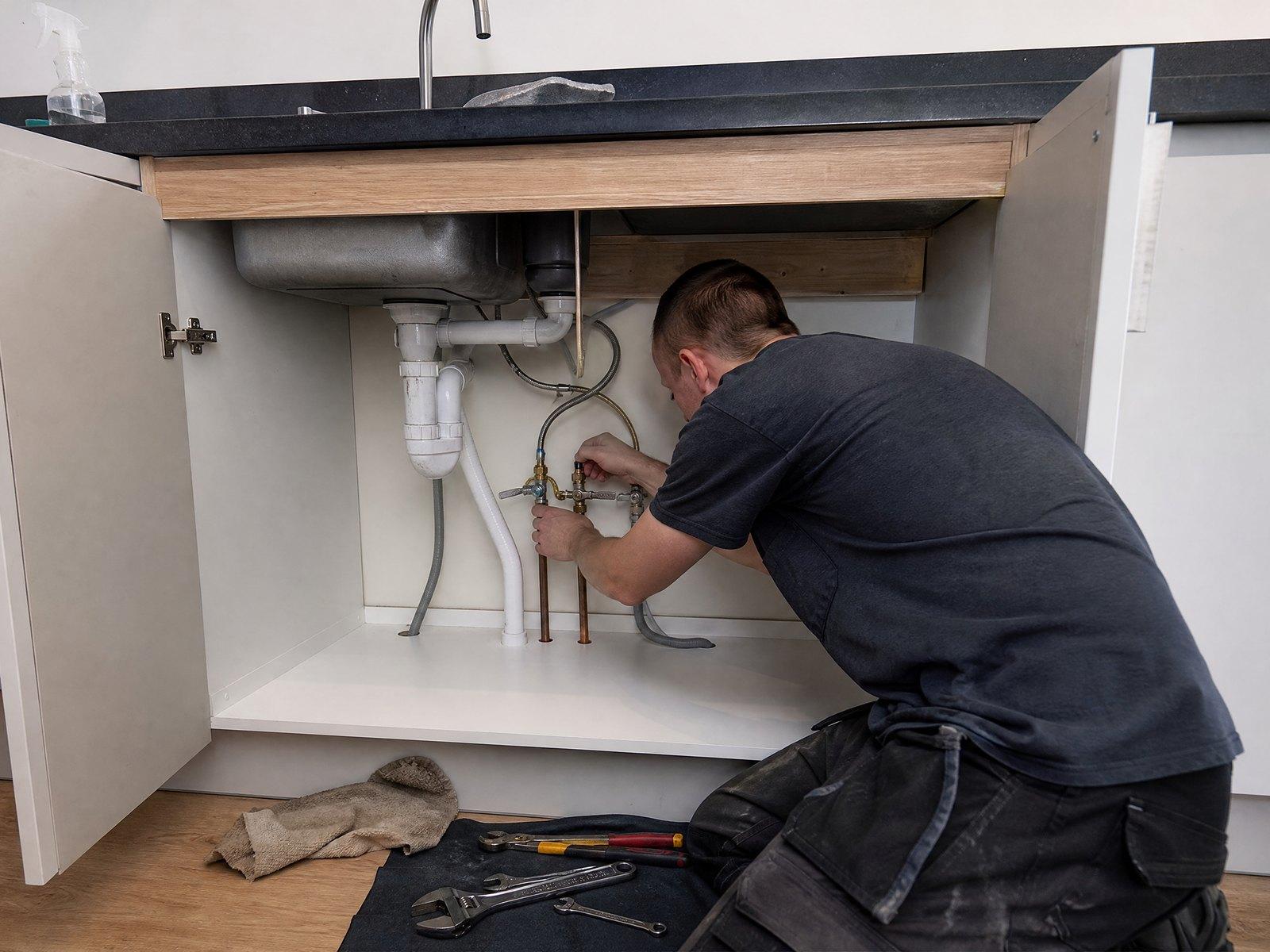
Signs a basin or storm line needs attention
Standing water in the parking lot long after rain has stopped
Grates half buried in silt, leaves or gravel
Water backing up at the loading dock or building entrance in heavy storms
A basin that stays full in dry weather, which points to a blocked outlet
Cracked or sunken frames and grates around the basin
A notice from the municipality or insurer about stormwater maintenance
How the work goes, step by step
Map the site
A walk-through marks every catch basin, manhole and outlet, along with known problem spots.
Clear access
Parked cars are moved, grates are opened and traffic is controlled for the vacuum truck.
Vacuum the basins
Sediment, debris and water are pulled out of each sump until the bottom is visible.
Jet and inspect
Laterals are flushed, and a camera follows where flow is slow or the basin does not drain.
Report and plan repairs
You receive a list of basins with their condition, photos of damage and a suggested service schedule.
What changes the price
- Number of basins
- The more basins and manholes on the site, the longer the visit lasts.
- Volume of material
- Sites with a lot of sediment, salt residue or construction fines produce heavier loads.
- Jetting and camera work
- Cleaning storm laterals and recording them adds time on top of vacuum service.
- Truck access
- Tight lots, parked cars and low clearances slow a vacuum truck.
- Repairs
- Broken frames, grates and basin walls are quoted separately from cleaning.
- Disposal
- Hauling and disposal costs depend on how the material is classed and where it goes.
What a good quote spells out
- A list of the basins and manholes included, with a count
- Whether jetting and camera inspection are part of the visit or extra
- How disposal is handled and documented
- The service interval, if the site wants recurring cleaning
- How repairs found during cleaning are reported and priced
Stormwater & Catch Basin Services: questions people ask
How often should catch basins be cleaned?
Many commercial sites schedule a cleaning once or twice a year, more often when the lot has heavy traffic, trees or construction nearby. A first cleaning shows how quickly the basins refill.
Can a catch basin be cleaned without a vacuum truck?
Small basins can be emptied by hand, but a truck removes the load faster and takes the standing water with it. Large lots almost always call for a truck.
Why does a lot still flood after cleaning?
The outlet pipe may be blocked or broken, or the lot may have more water than the system was designed for. Camera work on the storm line shows which.
Is a record of basin cleaning needed?
Some municipalities and insurers want proof of maintenance. Ask for a written report with the date, the basins serviced and the condition found.
Other Cundia services
Planning a Big Plumbing Job? Get a Written Quote.
Tell us what is going on, where the property is, and anything you already know: the age of the pipes, past repairs, inspection videos. We review every request and reply with next steps.
Request a free quote →